Sign In
Upcoming Event
 Free Newsletter

5 lessons for turning a near-miss into a winning pitch
By Donald Young//August 29, 2025//

Donald Young
5 lessons for turning a near-miss into a winning pitch
By Donald Young//August 29, 2025//


Pitching a business isn’t just about having a great product. It’s about telling the story in a way that resonates with the audience. Over the past year, I’ve learned that lesson firsthand, and not always the easy way.
At a Glance:
- LifeHold is a rugged, portable blood cooler designed for medics
- Rattler Medical Solutions won Boise Entrepreneur Week‘s pitch
- First place at Idaho’s Startup World Cup Regional Qualifier
- Lessons from setbacks helped sharpen pitching strategy
I’m the founder and CEO of Rattler Medical Solutions. We’re building LifeHold, a portable, battery-powered blood cooler designed for medics in the field. The system is rugged, lightweight and built to work where it’s hardest to save lives.
In October 2024, I won Boise Entrepreneur Week‘s Main Pitch Competition, one of the largest in Idaho. In July 2025, I took first place at Idaho’s Startup World Cup Regional Qualifier. Later this year, I’ll compete at the Startup World Cup finals in San Francisco for a chance at a $1 million investment.
Those highlights don’t tell the whole story. Before the wins came plenty of near-misses. Walking off stage after not placing hurts, especially when you believe deeply in what you’re building. But those moments forced me to sharpen my message, face weaknesses and push forward.
Here are five lessons I’ve learned about turning near-misses into wins.
1. Treat every pitch as a test.
At first, I thought pitching was pass or fail. Win or lose. Now I see each pitch as a test run and free market research. Even if I don’t win, every question from the judges gives me feedback I wouldn’t get otherwise. More than once, a tough question pointed me toward a gap in our strategy that we later fixed.
2. Know your audience.
I’ve pitched to military leaders, EMS professionals and investors. Each group cares about different things. Medics want rugged reliability. Investors want to see a path to scale. The key is shifting the emphasis without losing the heart of the story. When I learned to make that adjustment, doors started opening faster.
3. Be honest about the journey.
In my early pitches, I felt pressure to look like we had every answer. The truth is, no startup does. Admitting the challenges — and showing the plan to solve them — built far more credibility than pretending everything was already figured out. Transparency goes a long way in building trust.
4. Don’t pitch alone.
Even when it looks like a solo founder on stage, there’s always a team and a community behind the effort. For me, that includes mentors, fellow veterans, engineers and early supporters who believed in LifeHold when it was just a sketch in a notebook. Their encouragement and ideas shaped the product and gave me the confidence to keep pitching when things didn’t go as planned.
5. Focus on the impact.
It’s easy to get lost in the details — the tech specs, the financials, the market slides. But what sticks with people is impact. For me, it’s picturing a medic pulling viable blood out of a cooler in a remote setting and saving a life that would otherwise have been lost. That picture tells the story better than numbers ever could.
Pitching isn’t only about raising money. It’s about refining the story until others can see what you see. The near-misses were tough to take in at the moment, but they made me better. They forced me to focus, clarify and grow.
Every step forward with LifeHold has reinforced why I started this journey. It’s about improving survivability — whether on the battlefield, in rural EMS or in a small community hospital. And with every pitch, I get closer to building something that can change outcomes where it matters most.
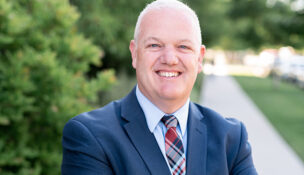
Donald Young is a veteran Army combat medic and the founder-CEO of Rattler Medical Solutions. His startup won first place at Boise Entrepreneur Week’s 2024 Main Pitch Competition and Idaho’s 2025 Startup World Cup Regional Qualifier.



 Loading ...