Sign In
Upcoming Event
 Free Newsletter

SEL enters medical arena with autism detection device
IBR STAFF//January 24, 2025//

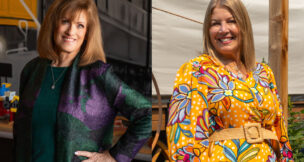
Dr. Georgina Lynch, a scientist at Schweitzer Engineering Laboratories, has invented a device that can detect the likelihood of autism within children. (PHOTO: SEL)
SEL enters medical arena with autism detection device
IBR STAFF//January 24, 2025//


A tech company immersed in the world of power system protection, automation and control solutions is expanding into the medical device market.
Schweitzer Engineering Laboratories, based in Pullman, Washington, with a location in Idaho, recently announced plans to move into the medical device arena with its production of a tool that detects “the likelihood of autism spectrum disorder.”
According to a release from SEL, Dr. Georgina Lynch recently joined the lab as a principal scientist. The move comes after her invention and leading the development of the device’s prototype while she was working at Washington State University. Lynch has a Ph.D. in neuroscience/psychology and has a background in speech-language pathology, along with more than 20 years working with autistic children.
SEL stated that it had created a medical devices team to develop the hand-held technology, which can “detect an atypical pupil light reflex and the likelihood of autism within 24 months of birth.” The device would be used during a child’s wellness exams by a clinician.
“We are excited about Dr. Lynch’s invention, and delighted that we can further its development, pursue approvals and begin production,” said Edmund O. Schweitzer, III, SEL founder and chairman of the board of SEL. “It makes screening for autism as simple as taking pictures. So many families, including mine, are impacted by autism. Georgina’s invention will accelerate earlier diagnosis and treatment.”
Lynch echoed Schweitzer’s statements.
“We know that earlier intervention positively impacts outcomes for children with autism,” Lynch said. “It can mean the difference between a child acquiring verbal speech or remaining nonverbal. With the average diagnosis age at 49 months, this technology could lower that age due to its objectivity, giving children up to two extra years of crucial intervention.”
Lynch added that the hope was to commercialize the technology from the start, making it widely available. She went on to say that getting to know Schweitzer and his company led her to believe SEL was the best company to pursue the endeavor.
Lynch and her team are working through U.S. Food and Drug Administration regulatory and compliance requirements in efforts to bring the device to market.
“It just feels right, that SEL, itself born from research at Washington State University, now has the honor of bringing this new WSU technology to life,” added Dr. Schweitzer. “Invented by Cougs, developed by Cougs, … and soon to be manufactured, sold and supported by Cougs.”





 Loading ...