Sign In
Upcoming Event
 Free Newsletter

Micro-experiences, macro impact: Why intimate events are outperforming large conferences
By Brooke Strickland//August 8, 2025//
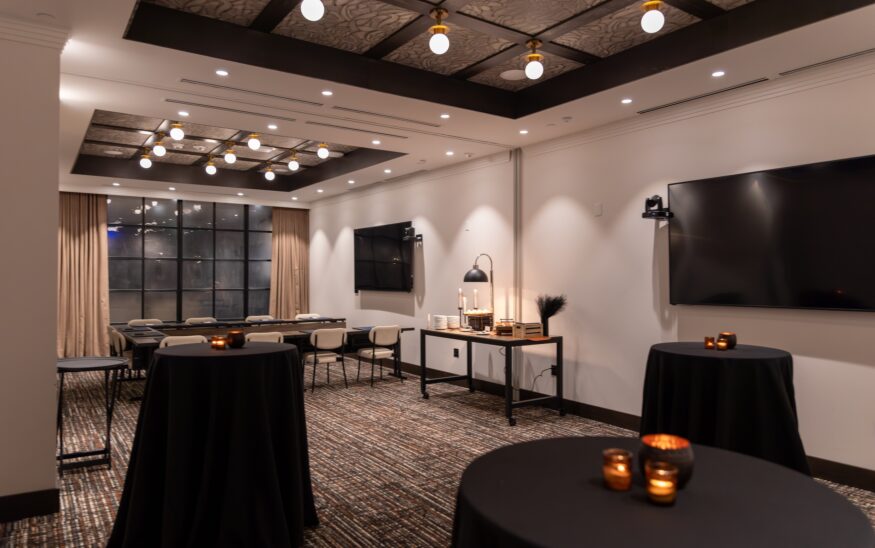
Hotel Renegade offers space ideal for smaller events. (PHOTO: HOTEL RENEGADE)
Micro-experiences, macro impact: Why intimate events are outperforming large conferences
By Brooke Strickland//August 8, 2025//


Key Highlights
- Micro-events offer more personalized, focused interactions
- Smaller venues align with brand values and foster connection
- Cost savings from reduced resources and simpler logistics
- Ideal for niche audiences and targeted event goals
As we continue to adjust to a world that has been reshaped by the pandemic ― even years later ― the world of events has undergone many changes. Now, more than ever, people are drawn to smaller, more intimate events, meetings and conferences. And for the people hosting those events, they’ve had to question the schedules, costs accompanying those, and how they can best interact with the people in attendance.
This has left some professionals wondering whether bigger events or conferences really provide the same value that they once did and if they can guarantee their promises. In other words: Is bigger really better?
When it comes to events, not necessarily.
What is a micro-event?
Micro-events are small gatherings designed to foster a more focused, intimate experience. Whether it’s product demonstrations, networking or regional meetups, peer learning groups, workshops or industry-specific trainings, when there are less people attending there are greater opportunities for deeper interactions. These micro-events are more personalized and allow for increased engagement, which can better address the interests or needs of the people there.
Jussi Santa, general manager for Hotel Renegade, reiterated the importance of face-to-face connection and smaller venues offer more of that personal and approachable touch.
“Smaller, more intentional venues foster deeper engagement, stronger team connections and a more personal atmosphere,” he said. “These spaces also tend to reflect a brand’s values more authentically; whether that’s creativity, innovation or a desire to break away from the traditional corporate mold.”
The why
Workplace dynamics have shifted, especially in the last five years.
Cody Lund, executive director of Boise Centre and the Greater Boise Auditorium District said, “Younger generations ― especially Millennials and Gen Z ― are prioritizing authentic, purpose-driven experiences over large, impersonal events. They value connection, flexibility and experiences that feel meaningful. Smaller venues meet these demands, offering a more intimate and customizable setting where attendees can engage on a deeper level. Smaller venues may also provide cost savings compared to larger event centers.”
If event organizers are part of a niche group and are looking to attract a niche audience, micro-events are ideal for this. By focusing on a specific topic, event hosts can create more specialized content and unique event experiences that resonate with the audience. The more personalized your event, the more likely you’ll be able to achieve your identified event goals and have a lasting impact on the people who attend.
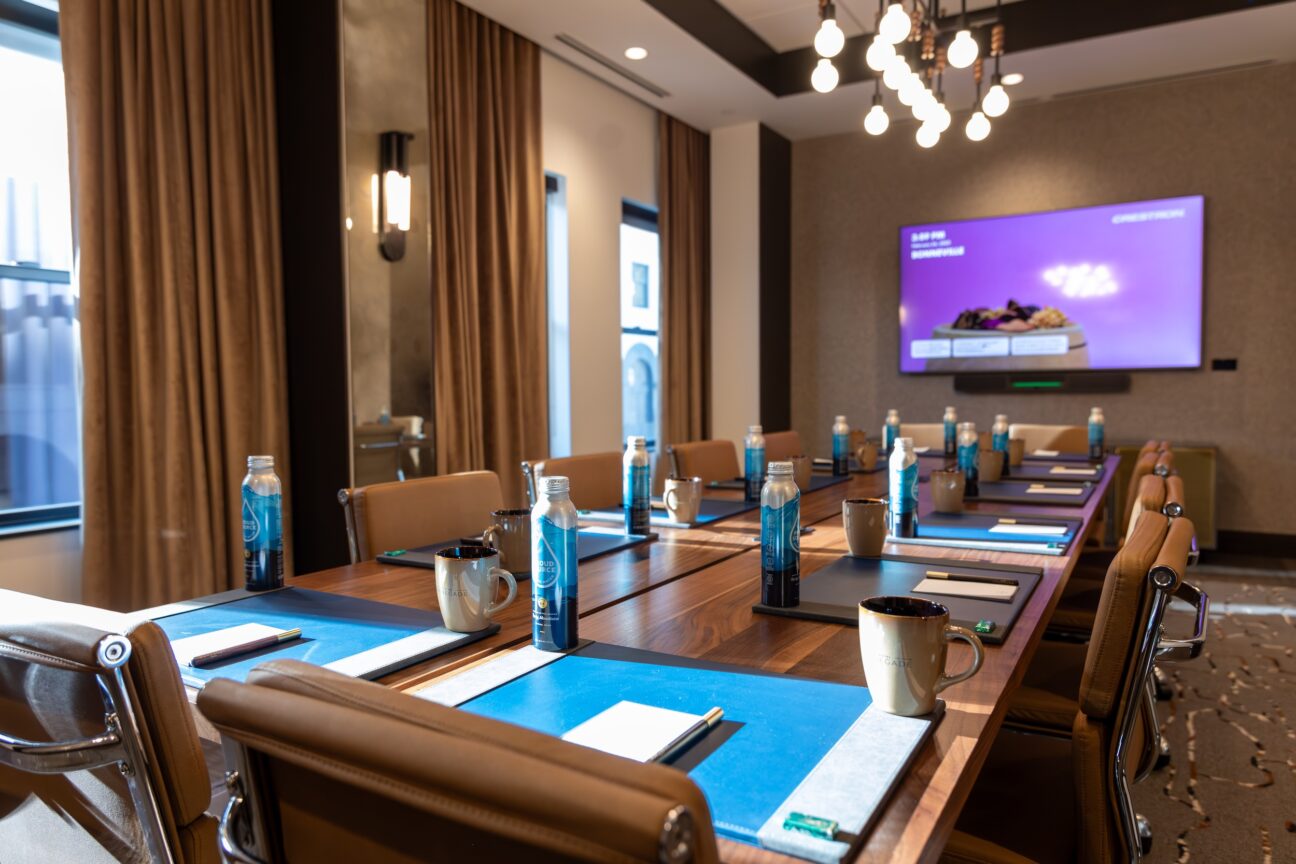
Micro-events are also more cost effective than large scale events, as they usually require fewer resources and have simpler logistics. Smaller spaces are often more affordable to rent, which keeps costs down for both organizers and participants. Further, these small-scale events also allow for more creativity and adaptability, which gives hosts the chance to experiment with more unconventional venues ― from restaurants to art galleries, to private homes, wineries and more.
Mike Garcia, owner of Loose Screw Brewing, said that his downtown brewery taproom has intentionally designed to accommodate smaller, more focused gatherings. With a variety of unique meeting spaces, people are noticing the benefits of being there, and Garcia has enjoyed opening the space up for these curated gatherings.
He shared, “They create a more intentional and engaging environment. These spaces foster deeper connections and more meaningful conversations, something that’s often lost in larger, more impersonal settings. We regularly see groups host a focused program followed by a networking hour, using the intimate setting to build stronger relationships and have in-depth discussions with their audience.”
Large events can also feel overwhelming or lack the personal touch that makes visitors feel welcome.
“It’s easy for the messaging to become too broad,” Garcia explained. “In a more intimate setting, attendees have more individual time to ask questions, engage directly with speakers or hosts, and participate in more relevant conversations. It creates a far more impactful and memorable experience.”
Offering a micro-event that matters:
If you’re considering hosting a micro event, there are a few key things to keep in mind. First, know your purpose and what you want attendees to get out of it. Define the specific outcome you desire and encourage interaction that helps you reach that goal.
Next, identify the people to invite. Choose people who share the same interests or goals, or those who you know are open to dialogue and discussions. In addition, keep in mind that micro-events are usually shorter. The most successful events are two hours or less. This gives attendees the opportunity to gain knowledge and establish some connections, but not to the point where it feels overwhelming or drawn out.
Lastly, once the event is over, prioritize follow-up. Make it easy for your attendees to stay connected with you and each other ― whether that’s with shared contacts, a follow-up email or an invitation to another upcoming micro-event.
Lund believes that it’s no longer just about delivering content or showcasing products but about creating an environment that fosters impactful interactions.
“Rather than getting lost in the crowd of a large convention center or destination, a smaller venue allows the event and attendees to feel like the big fish in a small pond,” he said.
This story originally appeared in the Corporate Event Planners Guide 2025, a publication of Idaho Business Review.


 Loading ...