Sign In
Upcoming Event
 Free Newsletter

What’s new for the buildings where health care happens in Idaho
By Brooke Strickland, Special to IBR//February 18, 2026//
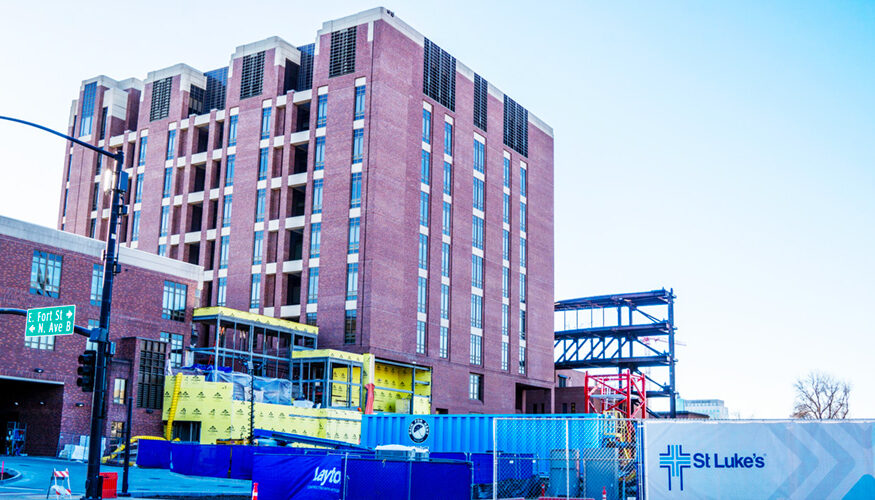
More space and technology upgrades are part of the St. Luke’s downtown Boise project. (PHOTO: MARC LUTZ, IBR)
What’s new for the buildings where health care happens in Idaho
By Brooke Strickland, Special to IBR//February 18, 2026//


From utilizing artificial intelligence to assist with notetaking or record keeping, to investing in advanced tools to reach more patients through mobile services, health care is progressing at a fast pace.
But, what about the buildings where patient care is provided?
From innovative diagnostic equipment to new models of patient-centered care, modern medicine requires spaces that are as advanced as the treatments themselves. Today’s medical centers demand the delicate balance of cutting-edge technology, efficiency, safety and a comfortable and welcoming patient experience – often at a steep price tag. Yet, those investments are invaluable and Idaho’s health care providers are prioritizing future-ready facilities that support care now and for future generations.
Integrating emerging technologies
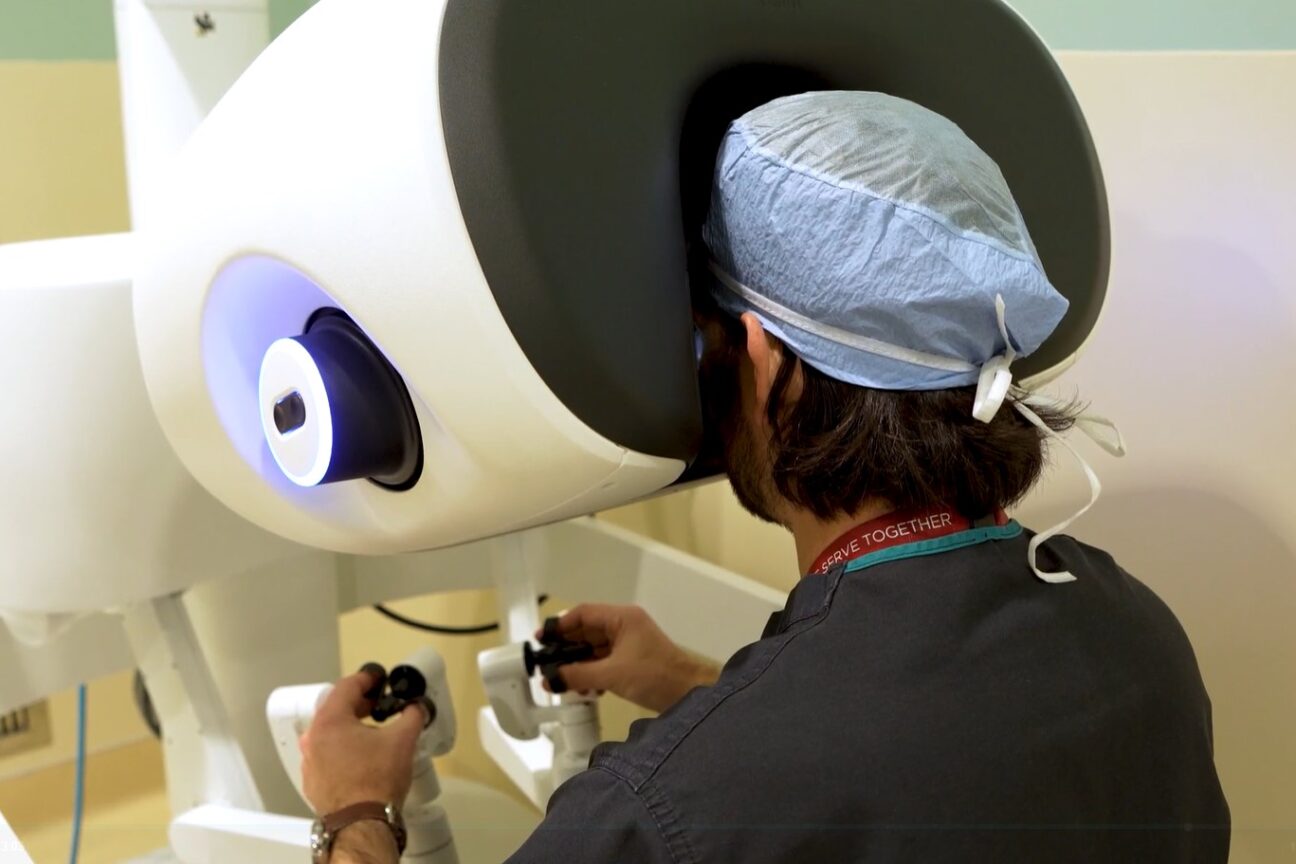
Health care organizations of all kinds are considering the best ways to protect and strengthen the care that patients receive. Dennis Mesaros, area vice president of St. Luke’s Boise, Elmore and McCall Regional Medical Centers, said that robotics tools and a new PET/CT scanner was added at the Boise Medical Center recently, and the new St. Luke’s downtown Boise campus development project will also utilize state-of-the-art products.
“The St. Luke’s Downtown Boise Campus Development project is designed with ‘future proofing’ in mind,” he said. “Facilities will be rightsized, standardized and built with flexibility so that as additional spaces come online, they support consistent workflows and can easily accommodate new technology, evolving clinical practices and emerging models of care. This approach ensures we can continue meeting patient needs today while remaining ready for the innovations of tomorrow.”
At Saint Alphonsus Medical Group, Dr. David Zarkou, executive medical director, discussed some already applied technologies that are revolutionizing how providers help their patients.
“We consistently track new and emerging technologies that support the long-term compassionate care and healing in our communities, and there are various tools and technological advancements we are actively implementing – from AI to robotics and minimally invasive procedures to support that mission. Both robotics and minimally invasive technology help improve precision and recovery times for patients.”
One of those tools is Nuance DAX, an AI scribe program that reduces the documentation burden for doctors and advanced practice workers.
“Beyond saving time after hours, the program allows our teams to actively listen to patients, ultimately improving engagement and care quality,” he explained. “We know when our clinicians practice active listening, patients feel heard, and that translates to patients who are more likely to follow treatment plans.”
Facility updates and new facility designs
At Terry Reilly, facility updates or new designs are centered on full circle patient care.
“We’ve designed our clinics so patients can access all services in one location,” said Tami Fife, chief operating officer and chief information officer at Terry Reilly. “Medical and dental check-ups, counseling and prescriptions can be delivered in one place. That integration of services is especially helpful for patients who don’t have adequate transportation. And just as important – it fosters the ‘whole patient’ approach where the entire care team is communicating for better outcomes. For instance, an annual depression screening might happen at a dental visit. If issues are identified, the patient is immediately referred to appropriate care or services. This ensures fewer health concerns are overlooked.”
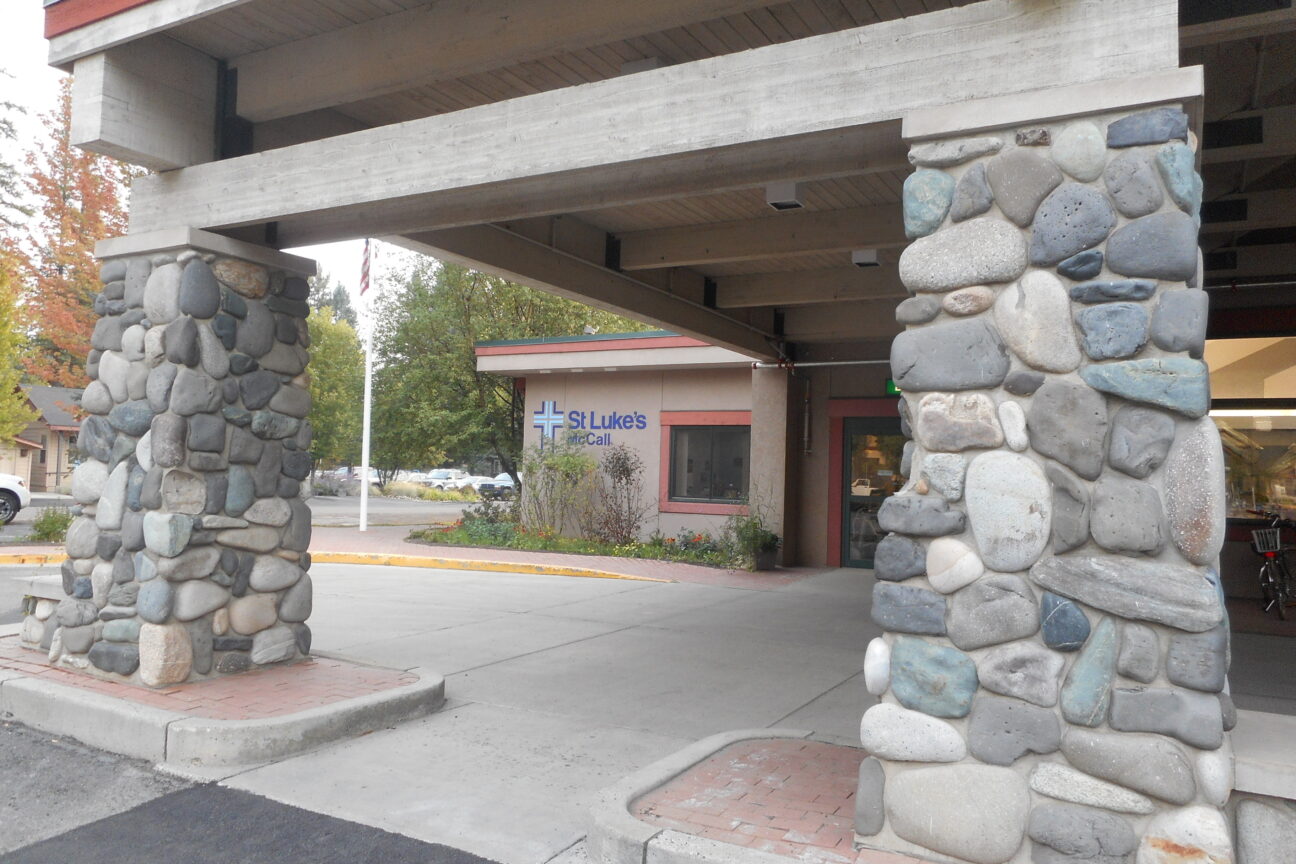
Mesaros said that St. Luke’s McCall underwent a large expansion in 2023 that more than doubled its square footage and added a variety of new features and benefits. The emergency department was expanded and new exam rooms, modern trauma bays and a new triage area were added, the surgical services department with an additional operating room was created, and the registration area, lab, medical imaging and cardiopulmonary departments were enlarged to better accommodate people.
“Modern facilities are creating integration and reducing friction for patients, making the patient experience more efficient, both in clinic settings and acute care settings,” Mesaros said.
There are a lot of costs that come with the latest and greatest builds and remodels, too. Yet, health care organizations across Idaho recognize that those monetary investments can translate to helping patients live healthier, longer lives.
“Our most precious resource is our care team,” said Dr. Christopher Hall, chief clinical officer for Saint Alphonsus Health System. “Every investment we make – whether in technology, facilities or training – is about supporting them and ensuring they deliver the safest, highest-quality care for our patients. Strategic investments that support quality, safety and positive outcomes for our patients close to home always outweigh the cost of a build.”
Attracting the best of the best
When it comes to training today’s medical specialists, schools across the area are integrating up and coming technologies into their education programs. Doing so helps prepare them to step into modern medical facilities and hit the ground running.
“From cardiologists to general surgeons and neurosurgeons to surgical oncologists, surgeons are coming out of school with extensive robotics training, which means having state-of-the-art treatments and tools plays a critical role in surgical specialist attraction and retention,” Zarkou said.
Saint Alphonsus has prioritized robotics in its facilities and now offers DaVinci robots at all hospitals in Boise, Nampa and Ontario, Oregon. In addition, medical teams there are completing advanced minimally invasive procedures that were once unavailable in the Treasure Valley including the Transcatheter Aortic Valve Replacement procedure, Ion Bronchoscopy and the Peroral Endoscopic Myotomy, just to name a few.
As further evidence of higher education adopting and training medical leaders with emerging technologies, a recent report discussed Idaho State University’s College of Health Sciences and its implementation of cutting-edge tools. In the spring of 2024, the school introduced virtual reality, high-fidelity mannequins programmed for various clinical settings and even 3D holograms. Grant funding from the Idaho Workforce Development Council and Portneuf Health Trust allowed for additional expansion of simulation tools across the state, allowing students on other campuses to enhance their medical education.
At the Idaho College of Osteopathic Medicine, students have access to a hi-tech Clinical Simulation Center with 12 patient exam rooms, six simulation rooms and high-fidelity simulators that breathe, speak, seize and show real-time vital signs.
The future is here
As health care continues to evolve each year, it is obvious that professionals must prioritize innovation. That extends not just into offering new treatments and technologies, but by looking at the bigger picture of how these can be used to reshape the spaces and facilities that people receive medical care. Across Idaho, health systems agree that integrated care that maximizes the use of today’s technology is essential to delivering compassionate care close to home. By supporting advanced technology, aiming for more efficient workflows and better teamwork, and focusing on a more personalized patient experience, today’s medical centers are not just keeping pace with modern medicine, they’re helping define its future and the future health of the Gem State.




 Loading ...