Sign In
Upcoming Event
 Free Newsletter

Idaho halts new groundwater permits in southern Canyon County for 5 years
IBR STAFF//March 23, 2026//
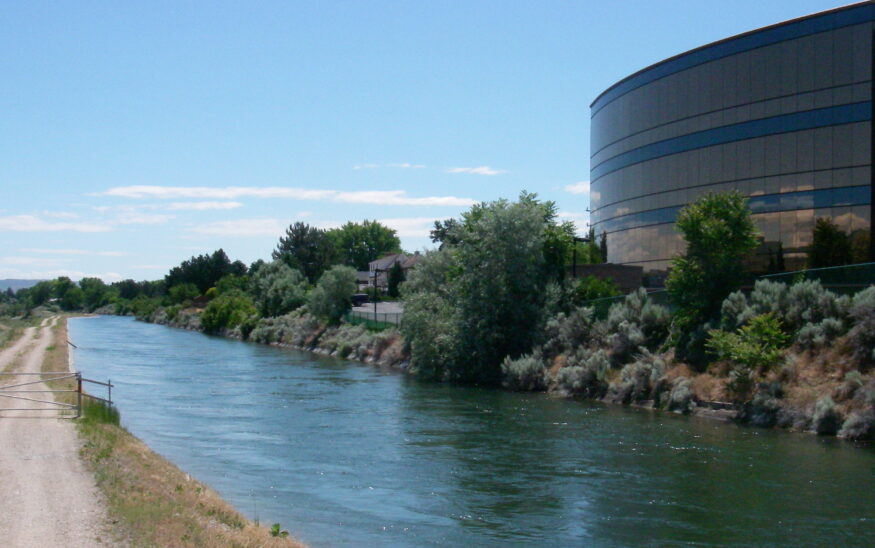
(IBR FILE PHOTO)
Idaho halts new groundwater permits in southern Canyon County for 5 years
IBR STAFF//March 23, 2026//


BOISE — Idaho’s top water official has imposed a five-year moratorium on new groundwater permits in southern Canyon County, a move that puts 21 pending applications on hold while the state works to better understand the region’s aquifer.
At a Glance:
- Idaho Department of Water Resources issues 5-year moratorium
- 21 pending groundwater applications on hold in southern Canyon County
- Mathew Weaver cites insufficient data south of Lake Lowell
Mathew Weaver, director of the Idaho Department of Water Resources, issued the order Friday, citing insufficient data about groundwater conditions south of Lake Lowell. The moratorium blocks the processing of any new or pending applications for groundwater rights in the affected area — a zone that stretches across a significant portion of southern Canyon County, including farmland south and southwest of Nampa.
The 21 applications currently on hold seek a combined flow of 121 cubic feet per second, enough to irrigate approximately 7,000 acres of farmland.
Weaver said the pause is necessary to protect existing water users while the department fills critical data gaps in its monitoring network.
“To protect vested groundwater rights and the people of the region from the depletion of groundwater resources, it is necessary to quantify the impact of current injection well activities and the pending applications prior to approving additional groundwater appropriations in South Canyon County,” Weaver wrote in the order.
In a separate but related order issued the same day, Weaver denied a petition to formally designate the area as a Critical Groundwater Area, a legal classification that would trigger additional regulatory controls. He said existing data does not support that designation, and that the monitoring network is not yet adequate to evaluate the region as a whole.
Data from 11 groundwater monitoring wells operated by IDWR actually shows a slight overall increase in aquifer levels within the monitored area, though the wells record seasonal dips during irrigation season. The problem, Weaver said, is that the monitoring network does not extend far enough south to capture the full picture below Lake Lowell. The Treasure Valley Groundwater Flow Model, developed by the U.S. Geological Survey, also falls short in that same area.
“Issuing additional permits without better knowledge of the impacts of development pursuant to the approved permits could jeopardize the water supply necessary for existing groundwater rights,” Weaver said.
During the moratorium, IDWR plans to expand its well-monitoring network, determine injection well volumes, collect additional data, and recalibrate the Treasure Valley Groundwater Flow Model to better assess future appropriation potential in the region.
The moratorium includes several exemptions. It does not apply to drilling permits for replacing or deepening existing domestic wells, wells with valid existing water rights, or applications to transfer or add points of diversion to existing rights.
An internal IDWR staff memorandum completed in November 2025, titled Evaluation of Groundwater Resources South of Lake Lowell, informed the director’s decision by identifying key data gaps in the area.





 Loading ...