Sign In
Upcoming Event
 Free Newsletter

Idaho declares statewide drought emergency after record-low snowpack
IBR STAFF//April 15, 2026//

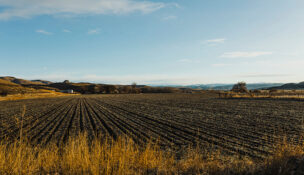
(PHOTO: DEPOSITPHOTOS.COM)
Idaho declares statewide drought emergency after record-low snowpack
IBR STAFF//April 15, 2026//


Gov. Brad Little and the Idaho Department of Water Resources declared a statewide drought emergency Monday for all 44 Idaho counties, citing record-low snowpack, historic warmth and mounting water supply deficits heading into the summer irrigation season.
At a Glance:
- Gov. Brad Little approves drought emergency for all 44 counties
- IDWR Director Mathew Weaver signs order effective immediately
- Natural Resources Conservation Service forecasts irrigation shortages
IDWR Director Mathew Weaver signed the order April 13, and Little approved it the same day, making it effective immediately. The declaration expires Dec. 31, 2026, unless extended or terminated by the director.
The emergency declaration unlocks a key tool for agricultural water users, allowing IDWR to consider applications for temporary changes to the point of diversion, place of use and purpose of use for existing water rights. It may also help water users qualify for federal drought assistance.
The conditions driving the declaration are historic in scope. Idaho experienced its second-warmest snow accumulation season ― October through March ― since 1896, with only the winter of 1933-34 being warmer. March 2026 was the second warmest March on record dating back to 1896, and a heat dome across the southwestern United States drove temperatures above the 98th percentile across much of the state.
That warmth triggered accelerated snowmelt beginning March 17, including at elevations above 10,000 feet where snow typically persists for at least another month. The base elevation of the snowpack rose to roughly 6,500 feet, compared to a typical base of around 4,000 feet in southern Idaho. By April 1, snowpack across Idaho was the lowest on record, with 54 snow course locations and 45 SNOTEL sites in the Snake River Basin reporting record-low Snow Water Equivalent values.
Water supply forecasts from the Natural Resources Conservation Service paint a similarly stark picture. There is a 50% chance of irrigation shortages on the Boise and Snake rivers under normal hydrology from April through September. Supplies are projected to be short by 6% in the Owyhee Basin, 14% in the Big Lost Basin, 44% in the Oakley (Goose Creek) Basin, 53% in the Big Wood Basin, and 58% in the Salmon Falls Creek Basin. Of Idaho’s 24 basins, 19 are forecast to be in some level of drought, with four expected to reach exceptional drought levels.
The county commissioners of Blaine, Cassia and Fremont counties had already requested a drought declaration between March 30 and April 2, with additional counties reportedly preparing similar requests when the statewide order was issued.
Temporary water right changes approved under the declaration will expire no later than Dec. 31, 2026. Applications carry a $50 filing fee. Water users can contact IDWR at 208-287-4800 or visit the department’s drought declarations webpage for more information.
This story was written using artificial intelligence with human oversight.




 Loading ...