Sign In
Upcoming Event
 Free Newsletter

Century of decline reduces genetic diversity and connectivity in Idaho bighorn sheep
University of Idaho//May 6, 2026//
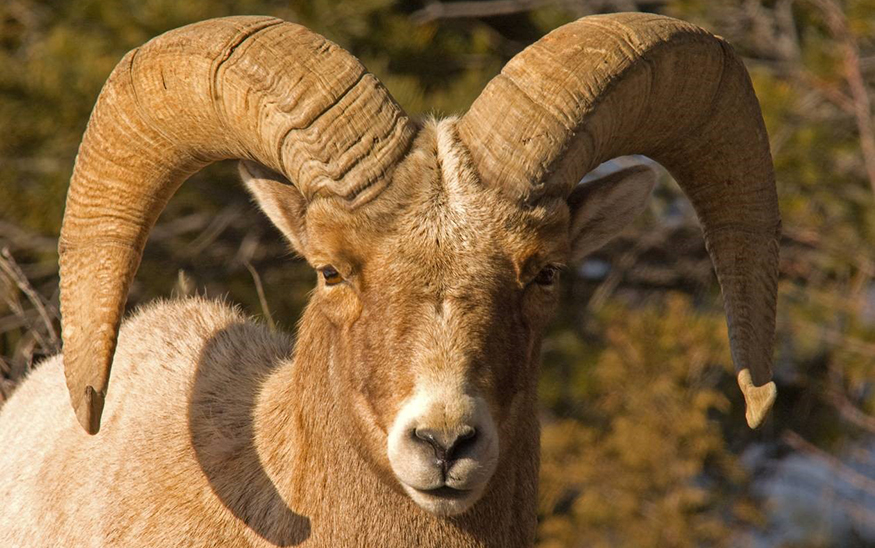
A lower Salmon River bighorn ram. (PHOTO: UNIVERSITY OF IDAHO)
Century of decline reduces genetic diversity and connectivity in Idaho bighorn sheep
University of Idaho//May 6, 2026//


MOSCOW, Idaho ― Rocky Mountain bighorn sheep in Idaho once intermixed with desert bighorns, making populations a century ago more genetically diverse and likely better able to adapt to environmental and physiological stressors, according to a study by University of Idaho and the Idaho Department of Fish and Game (IDFG).
At a Glance:
- University of Idaho and IDFG study genetic decline
- 35% historical desert lineage DNA nearly absent today
- Six genetic groups identified in Salmon River region
Declines in Idaho’s wild sheep population over the past 100 years have left a lasting genetic impact, including reduced diversity and connectivity between six bands in the Salmon River region, a key refuge for native bighorn sheep, according to the study, which appeared in Conservation Genetics.
The study compared DNA extracted from bighorn sheep skulls collected between 1897 and 1985 belonging to the John Carrey collection on display at the Jack O’Connor Hunting Heritage and Education Center at Hells Gate State Park in Lewiston to DNA in samples collected from the same area between 2000 and 2017.
A key finding involves the loss of historical gene flow between subspecies. In the past, 35% of Idaho bighorn sheep carried DNA linked to desert lineages, indicating interbreeding. Today, this signal is nearly absent (about 1%), suggesting that connectivity between subspecies has largely disappeared due to fragmentation of bighorn habitat and local or regional extinction of the species from parts of its former range.
“Comparisons between historical and modern data reveal a consistent decline in genetic diversity,” said Frances Cassirer, IDFG senior wildlife research biologist and co-lead on the paper. “Historical populations showed higher genetic variation and contained more unique genetic variants, many of which have been lost.”
These patterns point to genetic bottlenecks caused by past population reductions, Cassirer said.
Researchers included U of I’s Distinguished Professor of Wildlife Science Lisette Waits, as well as scientists from University of Montana and IDFG, who assessed genetic diversity, structure and gene flow over time. They identified six genetic groups in the modern population, largely aligning with five IDFG management units. While some connectivity remains — especially in central areas — there is clear genetic separation among groups, indicating limited gene flow. The East Fork population on the Salmon-Challis National Forest is particularly isolated and genetically distinct, reflecting long-term separation and small population size.
“Genetic diversity is essential for the health and long-term survival of species. Idaho’s native bighorn sheep still retain moderate genetic variation, but isolated populations are at risk of further loss. Preserving this diversity is critical because these sheep have experienced local adaptation,” Cassirer said.
Bighorn sheep (Ovis canadensis) were once widespread across western North America but experienced major declines in the late 19th and early 20th centuries due to disease from domestic livestock, overhunting and competition for habitat. Although some recovery has occurred, many populations remain small, fragmented and vulnerable.
This story was provided by University of Idaho.






 Loading ...