
 Sign In
BOMA Idaho hosts regional conference

Photo by Steve Sinovic
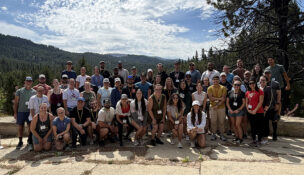
Homelessness is emerging as an issue of concern for many commercial real estate owners and managers. BOMA Idaho addressed that concern — and some homegrown solutions — at a recent regional conference that attracted attendees from around the Pacific Northwest.
The intersection of commercial real estate, homelessness and housing was one of the topics covered by several panels hosted by the local chapter of the Building Owners and Managers Association Sept. 18-20.
On the homeless and housing fronts, panelists said more humane solutions can make a difference and may require a broad and sustained collaboration among property owners, government and nonprofits. Several efforts to minimize the impact on public and private spaces of people living without shelter, especially in central business districts, were mentioned.
In a market where there is a dire shortage of labor for entry-level jobs, Bret Vaterlaus, owner/manager of Western Building Maintenance and Jennifer Tomlinson, parks superintendent for the city of Boise, spoke about hiring homeless folks, the formerly incarcerated, and those with special needs, and helping them on the road to self-sufficiency.
Vaterlaus is open to hiring returning citizens to clean his clients’ offices, but he said he can’t put them into buildings without customer authorization.
“You have to get their (the owners’) buy in,” said Vaterlaus, adding some are open to giving his employees “a second chance.” He said turnover is normally pretty high in his industry.
“I’m realistic enough to know that people starting at a base salary level will stay for three or four months.”
That doesn’t mean some won’t use it as a springboard to a higher paying job as a maintenance worker or janitor, he added.
Vaterlaus said a criminal background, addiction, mental illness, estrangement from families and homelessness are often linked. He spoke of hiring a man, a former stucco contractor who had gotten out of prison after completing a 15-year sentence, to work on his home and commercial property.
“He had the requisite skills; what he lacked was the confidence to pick his life back up again.”
Vaterlaus and another gentleman helped the man purchase a 36-foot travel trailer so he wouldn’t have to sleep in his car.
“Finding his way back is a slow process,” said Vaterlaus, adding the stucco worker recently bought him lunch as thanks for helping him get back in the work world. It was a big deal for him to be able to pick up the tab, Vaterlaus added.
A city of Boise program set up to employ Interfaith Sanctuary residents was also discussed. Three crews of seven people fan out for nine months on cleaning jobs: picking up trash downtown; weeding right-of-ways; trimming cemetery plots; sprucing up parks, municipal golf courses and sports fields. A case manager accompanies each work crew.
Jennifer Tomlinson said the Sanctuary provides emergency shelter and practical services to transition out of homelessness.
The city helps with transportation and getting people back in the workforce. Ninety percent of program participants have misdemeanors, mostly for crimes associated with being homeless, she said. The program doesn’t allow people with violent crimes, such as those against children or spousal abuse, to be part of the crews.
She said the program has been ladder to more gainful employment in landscaping and construction for several participants. Four joined the parks department when positions came up. Six individuals now have permanent housing as well as cars.
Other speakers pointed to public-private partnerships that are providing housing for the formerly homeless in the Treasure Valley, such as the New Path and Valor Pointe apartment projects.
Efforts at the national level to address tax code changes for commercial property owners was part of the agenda, as well as a discussion of parking and digital initiatives employed by building owners and managers to market spaces.






 Loading ...