
 Sign In
Easter eggs will be costly this year
With the arrival of spring, families are gearing up for their annual Easter traditions. But this year, they may have to shell out a few extra bucks for one integral part of the holiday: eggs.

Avian flu, also known as bird flu, has caused widespread destruction of commercial poultry flocks in Idaho and across the nation. The highly contagious viral disease that can affect birds, including chickens and other poultry, has caused prices to skyrocket in recent months. The Idaho State Department of Agriculture (ISDA) has confirmed Highly Pathogenic Avian Influenza (HPAI) virus in a flock of domestic chickens in Bingham County.
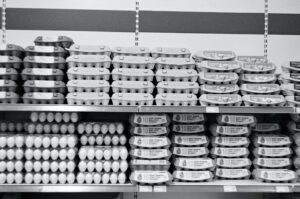
The price of eggs increased by about 50% last year. A dozen eggs cost nearly $4 in November, up from $1.72 a year earlier, according to government figures. Retail prices have recently declined but generally remain above $4 per dozen.
While HPAI outbreaks have caused fluctuations in egg prices, there are other factors that have impacted the cost of eggs in recent months. Higher transportation costs, labor costs and bird feed costs have also impacted the production and distribution of eggs, resulting in higher egg prices.
“The bird flu killed 60 million birds. The reason prices are so high, in my opinion, is that it takes up to five, six months for them to lay a large egg. To let all the birds grow back up, you just raise the prices up,” Buck Lunak, co-owner of free range egg farm Buck ‘N Daves’ Eggs, said. “Also, the price of feed has gone up and therefore, the prices have gone up.”
Despite this, Lunak said, their farm has kept their prices fair compared to grocery store prices. Families who plan to partake in Easter traditions like Easter egg decorating and baking–but don’t want to break the bank–should opt to shop local, he added.
“People should support local, I think that’s your best shot. Most local vendors are going to be more fair, and post COVID, everyone is experiencing supply problems right now,” Lunak said. “People are more apt to go with local farmers and ranchers. Shopping locally has been great for local vendors.”
This isn’t the first time American’s have experienced an egg shortage. During World War II, the U.S. government set ration limits on purchasing certain high-demand food items, including eggs. As a result, people began to use alternative materials to make Easter eggs, such as papier-mâché, as it was a cheap and readily available material. These creative solutions to the egg shortage during that time is just one example of how people can adapt and find new ways to celebrate the holidays.
Keep exploring this topic


 Loading ...